Health Care in Somalia
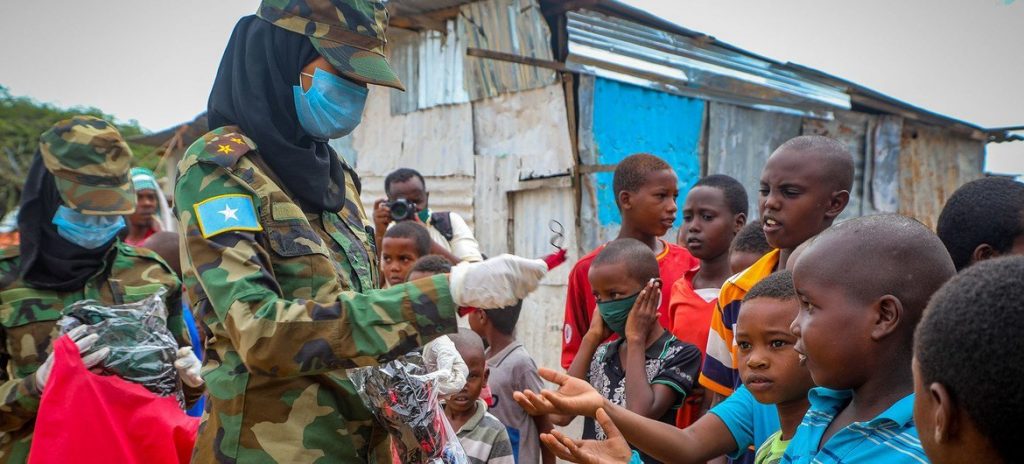
SOMALIA HEALTHCARE SITUATION
Health Care System in Somalia – Situation Report
1. Overview
Somalia’s health care system has been severely affected by decades of conflict, political instability, recurring droughts, floods, and widespread poverty. As a result, access to quality and affordable health services remains limited, particularly in rural and conflict-affected areas. The health sector is largely dependent on international aid and non-governmental organizations (NGOs).
2. Health Care Infrastructure
-
Health facilities are insufficient and unevenly distributed across the country.
-
Most rural communities rely on primary health care units (PHUs) that offer only basic services.
-
Referral hospitals are concentrated in major cities, leaving large populations without access to specialized care.
-
Many facilities lack essential medical equipment, medicines, electricity, and clean water.
3. Health Workforce
-
Somalia faces a critical shortage of trained health professionals.
-
The density of doctors, nurses, and midwives is far below international standards.
-
Limited training institutions, migration of skilled workers, and insecurity contribute to the shortage.
-
Community health workers play a key role in delivering basic services, especially in remote areas.
4. Major Health Challenges
4.1 Communicable Diseases
-
High prevalence of malaria, tuberculosis (TB), measles, cholera, and acute watery diarrhea.
-
Recurrent disease outbreaks are linked to poor sanitation, unsafe water, and low vaccination coverage.
4.2 Maternal and Child Health
-
Somalia has one of the highest maternal mortality rates in the world.
-
Many women give birth without skilled health personnel.
-
Under-five child mortality remains high due to preventable causes such as malnutrition, infections, and lack of immunization.
4.3 Malnutrition
-
Chronic and acute malnutrition are widespread, particularly among children under five and pregnant or lactating women.
-
Recurrent droughts and food insecurity worsen nutritional outcomes.
4.4 Non-Communicable Diseases (NCDs)
-
Cases of hypertension, diabetes, and mental health disorders are increasing.
-
Mental health services are extremely limited despite the high burden of trauma related to conflict and displacement.
5. Health Financing
-
The health sector is heavily reliant on donor funding, which accounts for the majority of health expenditure.
-
Out-of-pocket payments are common, creating barriers for poor households.
-
Public investment in health remains low, limiting sustainability.
6. Role of International Partners
-
International organizations such as WHO, UNICEF, UNFPA, and NGOs support service delivery, disease surveillance, vaccination, nutrition programs, and emergency response.
-
Efforts are ongoing to strengthen Primary Health Care (PHC) and move toward Universal Health Coverage (UHC).
7. Recent Trends and Emerging Issues
-
Funding reductions have negatively affected vaccination programs and disease control.
-
Climate-related shocks continue to increase health needs.
-
There is growing recognition of the need to strengthen national health systems rather than relying solely on humanitarian responses.
8. Opportunities and Recommendations
-
Strengthen primary health care services nationwide.
-
Invest in training and retention of health workers.
-
Improve supply chains for essential medicines and medical equipment.
-
Increase government health spending and diversify financing sources.
-
Enhance coordination between government, NGOs, and international partners.
-
Integrate nutrition, water, sanitation, and hygiene (WASH) interventions with health services.
9. Conclusion
Somalia’s health care system faces serious challenges but also significant opportunities for improvement. Sustainable investment, strong governance, and coordinated support from national and international partners are essential to ensure equitable access to quality health services and to improve health outcomes for the Somali population.